
Reliable power is the backbone of remote and demanding petroleum operations, supporting critical activities across drilling, extraction, processing, and refining facilities. Selecting the right oil and gas generators requires navigating severe site conditions, sharp motor-starting electrical spikes, and strict continuous-duty demands.
This guide explores different oilfield power requirements, explains important generator selection factors, and highlights how high-performance alternators contribute to dependable power generation in demanding industrial applications.
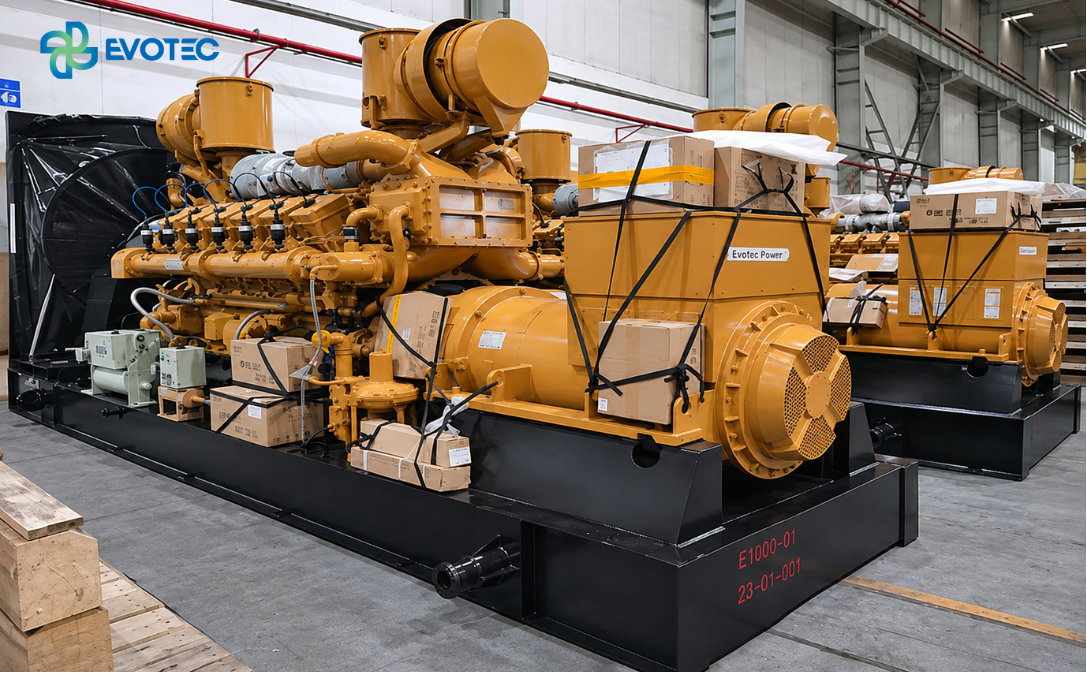
Power requirements vary considerably across the oil and gas industry. Understanding each application's operating characteristics helps identify suitable generator configurations.
|
Application |
Power Demands |
Operating Characteristics |
Selection Priorities |
|
Drilling operations |
High, fluctuating loads |
Frequent motor starts and load changes |
Starting capacity, transient response |
|
Oilfield production |
Moderate to high, site-dependent |
Extended operation, variable or steady loads |
Correct duty rating, reliability |
|
Gas processing and compression |
Significant motor loads |
Long operating periods, demanding starts |
Voltage stability, excitation performance |
|
Petrochemical facilities |
Critical process and auxiliary loads |
Standby operation or continuous supply |
Load sequencing, protection, fast response |
Drilling sites require reliable power for drilling equipment, mud pumps, hoisting systems, and heavy machinery. Frequent motor starts and fluctuating loads demand strong starting capability, responsive voltage regulation, and sufficient power reserves. For remote sites without grid access, prime-rated generator sets are often more suitable than standby-only units.
Remote oilfields depend on continuous electricity for pumping systems, production equipment, and monitoring facilities. Selecting oilfield generators requires evaluating load profiles, operating hours, and fuel availability. Continuous-rated units suit steady base loads, while prime-rated systems accommodate variable loads during extended operation.
Gas processing facilities require stable power for compressors, pumps, cooling systems, and control equipment. Large motor-starting currents make appropriate alternator sizing and reliable excitation systems essential. For round-the-clock operations, thermal performance and long-term reliability are equally important.
Refineries and petrochemical facilities rely on electricity for processing equipment, cooling systems, instrumentation, and critical safety loads. When selecting generators for heavy industry backup power, engineers should prioritize emergency load sequencing, motor-starting capability, electrical protection, and compatibility with existing distribution systems.
Deploying oil and gas gensets requires evaluating core electrical, mechanical, and environmental parameters to balance operational performance with capital investment.
Proper generator sizing requires evaluating running loads, peak demands, and motor-starting requirements. Power capacity is typically expressed in kilowatts (kW) and kilovolt-amperes (kVA), using the relationship:
kW = kVA × Power Factor
For example, a 500 kW load at a 0.8 power factor requires 625 kVA. However, large motors can draw significantly higher current during startup. Engineers should therefore consider starting demands, acceptable voltage dips, simultaneous equipment operation, and future expansion when determining generator capacity.
The generator's operating rating must match its intended duty cycle:
l Prime-rated: Designed for extended operation with variable loads, commonly used in remote oilfield facilities.
l Continuous-rated: Suitable for sustained operation with relatively constant electrical loads.
l Standby-rated: Provides emergency power during interruptions to the normal power supply, particularly in petrochemical facilities.
Choosing the correct rating helps prevent overloading and supports reliable long-term operation.
Selecting between diesel and natural gas generator sets depends on site logistics and operating economics:
l Diesel Generators: Generally offer strong transient response and load-acceptance capability, making them suitable for mobile drilling rigs and remote standby applications. However, fuel transportation and storage can increase operating costs.
l Natural Gas Generators: Suitable for continuous oilfield production and compressor stations where a reliable gas supply is available. Properly treated wellhead gas or recovered flare gas may serve as fuel, potentially reducing operating costs and certain emissions, depending on fuel quality, equipment compatibility, and site conditions.
Oil and gas generators must withstand demanding conditions, including extreme temperatures, dust, humidity, vibration, and corrosive environments.
Adequate cooling and filtration are important for desert installations, while offshore facilities may require additional corrosion protection. Robust construction, suitable enclosure ratings, and vibration-resistant components help improve durability. Equipment ratings should also account for local temperature and altitude.
Stable electrical output is essential for compressors, large motors, and sensitive control systems. Generator selection should consider voltage regulation, frequency stability, power factor, and transient response under sudden load changes.
Reliable excitation systems and responsive engine controls help maintain acceptable electrical performance during fluctuating operating conditions.
Remote oilfield installations require generators that are practical to maintain and compatible with existing equipment. Key considerations include service accessibility, spare-parts availability, maintenance intervals, and correct engine-alternator matching.
For parallel oil and gas gensets, compatible synchronizing and load-sharing controls are also essential for coordinated operation.
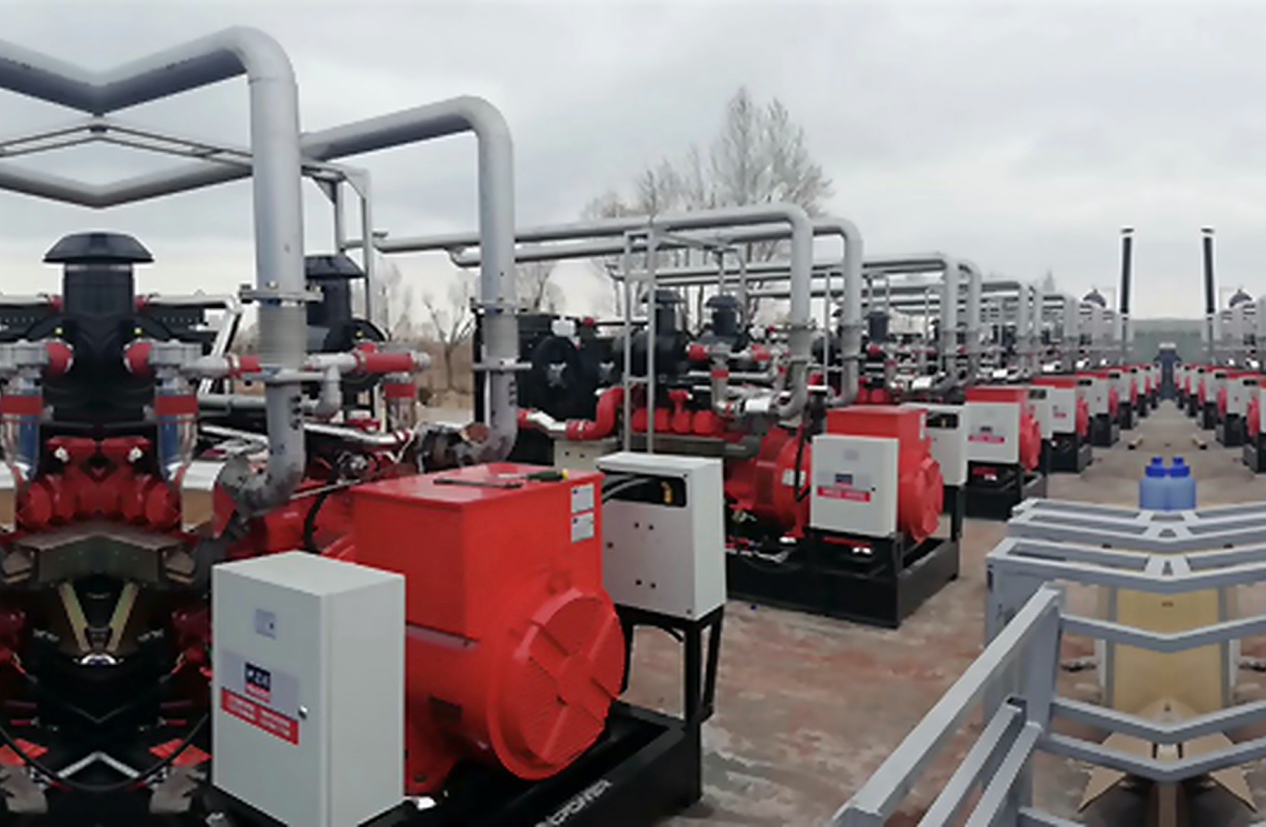
10 units EvoTec 200kw Land-Use Generators applied to the North Shaanxi Sinopec Natural Gas Project
An alternator converts mechanical energy from the engine or turbine into electrical energy. Its performance directly influences the quality and reliability of the generated power.
In demanding oilfield applications, several characteristics deserve particular attention:
l Voltage regulation: An automatic voltage regulator (AVR) adjusts excitation to help maintain output voltage as electrical loads change. Effective voltage regulation supports industrial motors and connected control equipment.
l Excitation performance: Excitation-system design affects the alternator's ability to maintain voltage during demanding motor starts and temporary overload conditions. Appropriate excitation support can improve voltage recovery when substantial starting current is required.
l Thermal performance: Continuous electrical operation generates heat in windings and other components. Effective ventilation, suitable insulation, and controlled temperature rise help protect alternator components during prolonged operation.
l Mechanical durability: Industrial equipment may experience vibration and mechanical shocks. Robust structural construction and secure winding arrangements help improve resistance to demanding operating conditions.
Alternator selection becomes particularly important when generators supply large compressors, drilling machinery, or continuously operating pumping systems. Consequently, selecting an alternator based solely on rated output may overlook critical operating requirements.
EvoTec Power is a Chinese manufacturer specializing in industrial and marine synchronous alternators, including low, medium, and high-voltage models.
With independent R&D and customized manufacturing capabilities, EvoTec offers alternators across a 6.8 kW to 10 MW power range and 110 V to 15 kV voltage range. Its product portfolio supports diverse industrial power-generation requirements, including oil and gas applications.
For petroleum, natural gas, and petrochemical projects, EvoTec Power offers alternator solutions designed for demanding operating conditions. Its key strengths include:
l Enhanced shock resistance: Reinforced construction and shaped windings improve resistance to mechanical impacts in harsh oilfield environments.
l Stable electrical performance: Optimized electromagnetic design supports low-power-factor operation and reliable dynamic response during sudden load changes.
l Reliable continuous operation: High generation efficiency, low temperature rise, and effective thermal management support extended operating periods.
l Flexible system integration: Strong parallel and grid-connected performance enables compatibility with different power systems and multi-generator configurations.
l Proven industry applications: EvoTec has supplied two 1,000 kW, 10.5 kV high-voltage alternators for a Sinopec natural gas project and ten 200 kW alternators coupled with Doosan engines for a Northern Shaanxi natural gas power station.
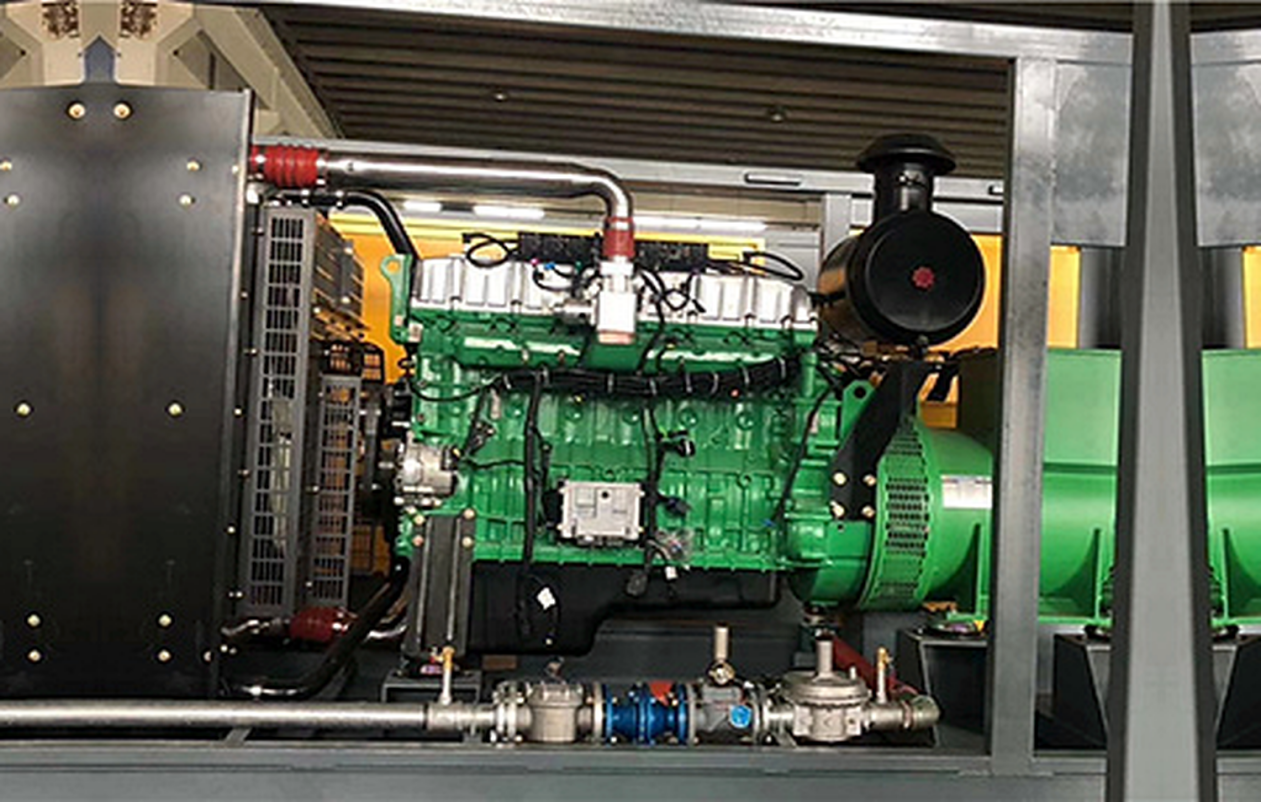
EvoTec 250kw/400v Land-Use Generator applied to
Sinopec Project
These capabilities demonstrate EvoTec's experience in oil and gas power-generation applications. For specific project requirements, the company provides technical support and customized alternator solutions based on power capacity, voltage, and operating conditions.
Choosing reliable oil and gas generators requires more than comparing rated power. Actual electrical loads, motor-starting demands, operating hours, environmental exposure, and alternator performance all influence the final decision.
For oilfield, natural gas, or petrochemical projects, contact EvoTec Power to discuss suitable alternator configurations and customized power-generation requirements.
