
• EvoTec
• Stamford
• Nidec
• Mecc Alte
• ABB
• WEG
• Marathon Electric
Siemens AG
Industrial alternators are critical components in modern power generation systems. Current global power demand is growing, driven by the rapid expansion of data centers, manufacturing facilities, emergency backup systems, and infrastructure modernization.
The selection of industrial alternators directly determines the electrical efficiency, operational reliability, and long-term maintenance costs of a power system.
Based on verifiable product performance, engineering capabilities, global service networks, and specific application data, this article analyzes 8 leading industrial alternator manufacturers in 2026. Here is a summary.
|
Manufacturer |
Core Advantages |
Value Rating |
|
EvoTec |
Short structure design, high efficiency, customization, high-voltage specialization, multiple certifications |
9.8/10 |
|
Stamford |
Strong generator market presence, proven reliability |
9.7/10 |
|
Nidec |
High electrical efficiency, diverse configuration range |
9.6/10 |
|
Mecc Alte |
High power density, global support network |
9.2/10 |
|
ABB |
High efficiency, industrial-grade innovation |
9.2/10 |
|
WEG |
High efficiency, global support, good pricing |
8.9/10 |
|
Marathon Electric |
Proven standard reliability, straightforward maintenance |
9.0/10 |
|
Siemens AG |
Massive scale engineering, high voltage capacity |
8.9/10 |
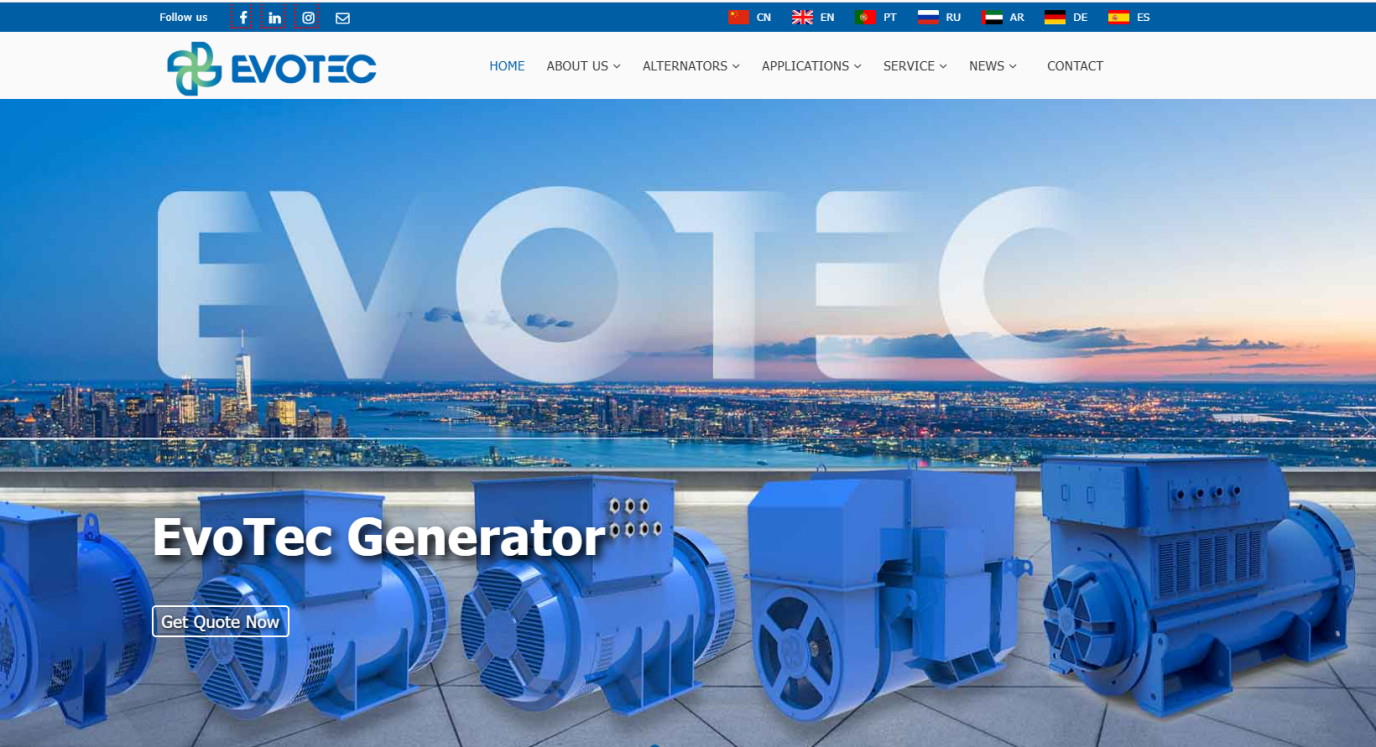
EvoTec Power was founded in 2011 and specializes in industrial, marine, and high-voltage three-phase synchronous alternators. Their manufacturing facility produces 30,000 units annually, with power ranges from 6.8 kW to 10 MW and voltages up to 15 kV. EvoTec places stronger emphasis on industrial customization, high-power solutions, and specialized operating environments.
Highlights:
• A unique short structure design. EvoTec alternators are over 100 mm shorter than similar models. This saves space in your genset enclosure and also offers excellent ventilation and heat dissipation.
• Customization. EvoTec controls the whole process from design to manufacturing. You can get personalized solutions for marine, industrial, gas application, data center, or mining needs.
• Certifications include ISO 9001, ISO 14001, ISO 45001, CE, RS, CCS, and IEC 60034-1 standards.
• Protection levels go up to IP57 with additional marine varnish, so they resist dust and water, meeting global power needs in diverse environments.
• Strong engineering R&D capability, holding 67 nationally authorized patents, including 21 invention patents.
Limitation:
A current limitation is that their brand recognition in Western markets is still developing compared to legacy brands.
Data centers, mining, gas application, telecommunications, marine operations, agricultural, and rental fleets require high electrical efficiency and compact structural footprints.
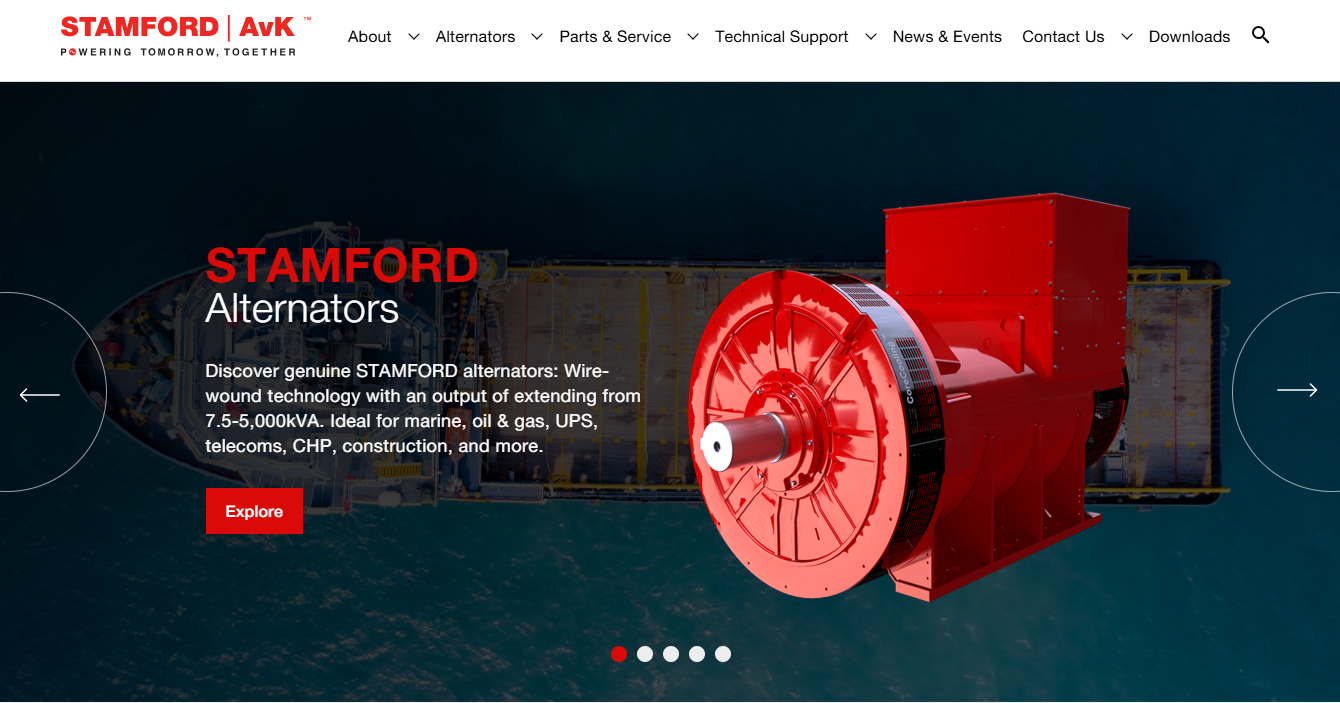
Stamford, operating under Cummins Generator Technologies, produces wire-wound synchronous alternators with power outputs ranging from 7.5 to 11,200 kVA.
Highlights:
• A huge global service network and standardized component availability. If you need parts or repair, you can find support almost anywhere.
• Stamford products are widely integrated as an alternator for generator set systems across multiple industries.
• Their advanced Automatic Voltage Regulator (AVR) systems provide precise voltage control under fluctuating electrical loads.
Limitation:
A noted disadvantage is the premium pricing structure, which significantly increases the initial capital expenditure of a project.
Applications:
Marine, oil & gas, UPS, telecoms, CHP, construction, and more projects requiring strict grid-code compliance.
Nidec, operating through its Leroy-Somer brand, supplies alternators covering a comprehensive power range of 10 kVA to 35,000 kVA.
Highlights:
• Nidec mitigates the energy losses by focusing on optimized stator and rotor designs, minimizing heat generation and electrical waste.
• Integration of Permanent Magnet Generator (PMG) and AREP excitation systems ensures high short-circuit capability and reliable motor starting under load.
• Broad spectrum of available configurations suitable for diverse applications, offering high electrical efficiency.
Limitation:
The disadvantage is that spare parts availability and service response times can vary based on the specific geographical region.
Applications:
Commercial aviation, data centers, mining, rail, defense, nuclear power plants, residential, building and construction, oil & gas, etc
Mecc Alte is an Italian company with a long history in power generation equipment. Their product range is extensive, spanning from small 2-pole alternators to large 4-pole alternators, plus medium and high voltage machines and multi-pole units designed for hydro applications. Mecc Alte produces over 1,400 kVA alternators every day, with an annual output exceeding 450,000 units.
Highlights:
• Mecc Alte provides a mechanical solution through high power density engineering, resulting in compact and lightweight alternator designs.
• Advanced digital AVR regulator for generators enhances performance during emergencies.
• Customers can find solutions across different power classes and operating environments.
Limitation:
A limitation is their focus on low and medium voltage ranges, offering fewer options for ultra-high voltage setups.
Applications:
Telecom tower operators, agricultural power users, and portable generator assemblers. Searching for a reliable alternator supplier for compact units frequently leads engineers to Mecc Alte.
ABB manufactures industrial alternators tailored for diesel and gas engines, with output up to 25 MW and features high inertia (via added flywheels) to ensure grid stability during sudden load changes.
Highlights:
• Advanced excitation systems and power converters manage rotor currents to safely control output voltage and handle grid volatility.
• Permanent magnet (PM) generators and in-line shaft generators achieve high efficiency.
Limitation:
High technical complexity and substantial initial capital costs make it less viable for small-scale standard backup systems.
Applications:
Cement, food and beverage, HVAC, marine, metals, mining, oil, gas and petrochemical, power, pulp and paper, etc.
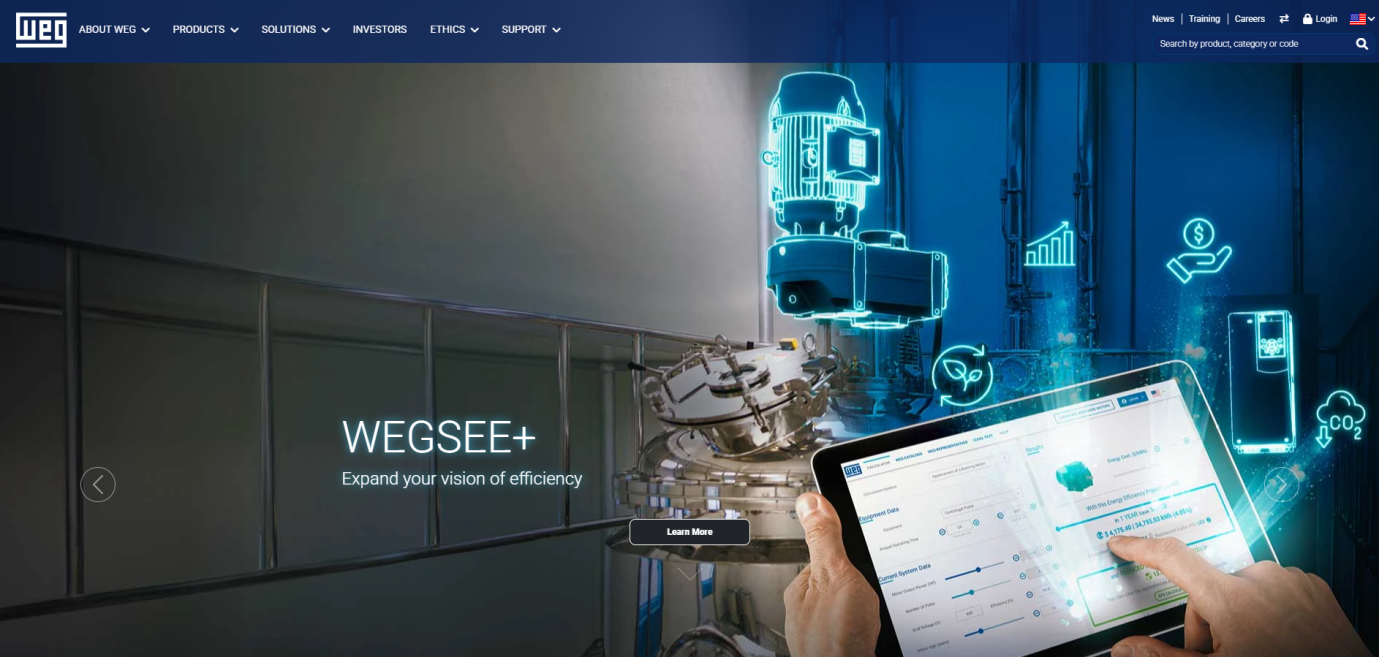
WEG is a Brazil-based industrial equipment manufacturer with a strong global presence in motors, automation systems, transformers, and power generation equipment.
Highlights:
• Lines like the AG10 deliver higher power outputs in smaller, more compact frame sizes, optimizing fuel efficiency and space.
• The company maintains manufacturing facilities and technical support resources in multiple regions. That helps reduce logistics delays and improve after-sales responsiveness.
Limitation:
Offer fewer alternator solutions than some manufacturers focused exclusively on power generation equipment.
Applications:
Mining operations, chemical processing plants, and heavy manufacturing facilities demand high durability.
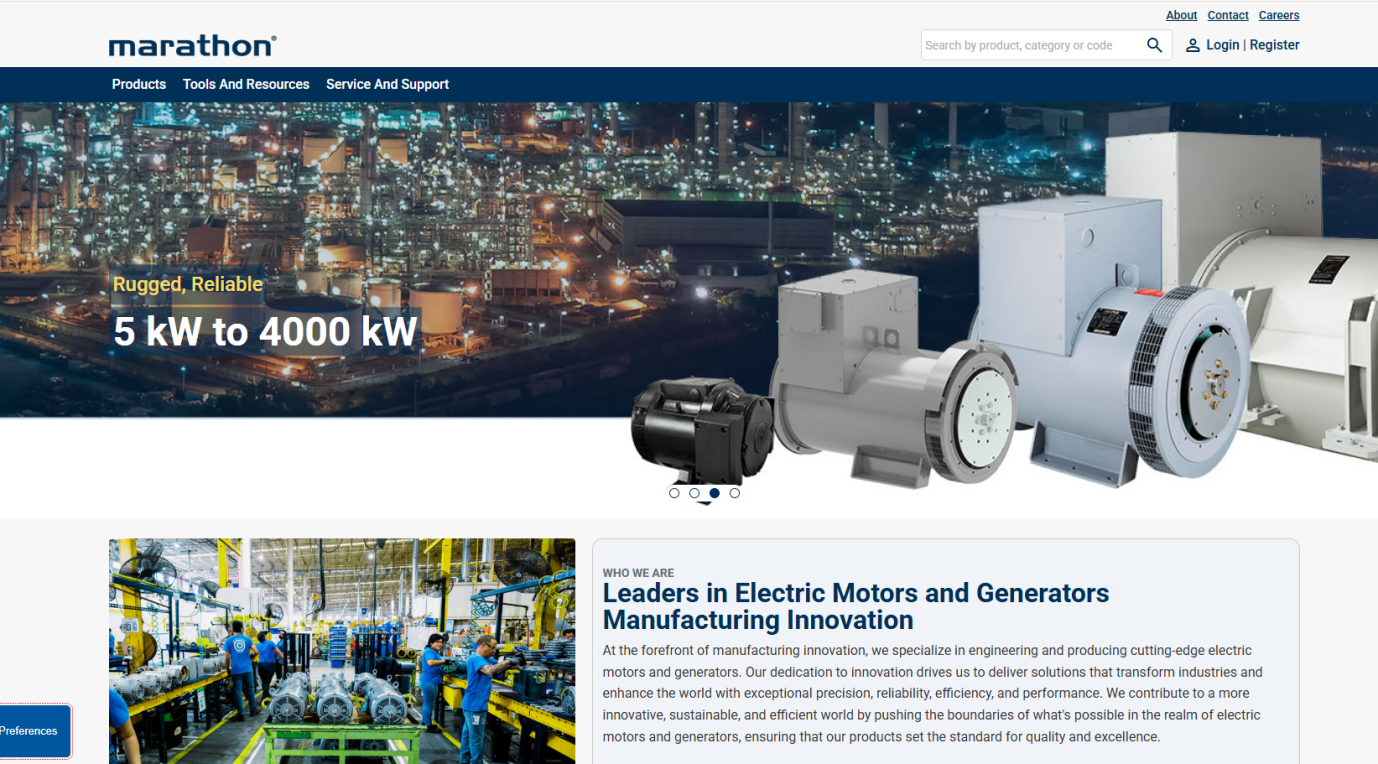
Marathon Electric manufactures heavy-duty industrial AC alternators ranging from 5 kW to 4,000 kW. Known for exceptional voltage stability and robust motor-starting capabilities
Highlights:
• Products are optimized for ease of service, durability, and standard backup reliability.
• Robust construction and dependable voltage regulation.
• Consistent performance in harsh conditions and demanding applications.
Limitation:
Lower emphasis on highly customized, bespoke engineering projects compared to other manufacturers.
Applications:
Commercial buildings, hospitals, and light industrial facilities are seeking reliable standby power.
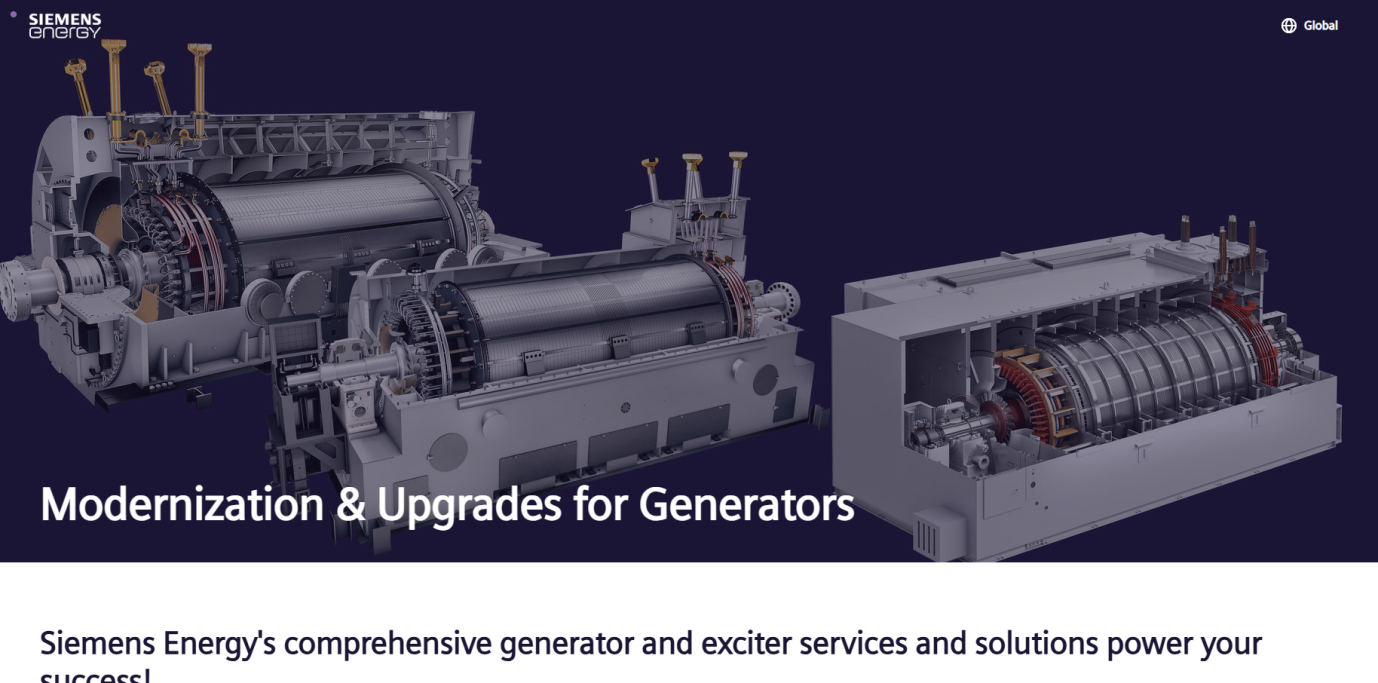
Siemens Energy supplies high-voltage and industrial alternators designed specifically for heavy-duty, utility-scale applications.
Highlights:
• Industrial-grade units built for maximum longevity, grid stability, and efficient reactive power compensation.
• Unparalleled engineering capability for massive-scale projects, supported by a global grid integration network.
Limitation:
Cost and complexity. Smaller buyers may not need enterprise-level engineering solutions.
Applications:
National power grids, major utility companies, and heavy-duty industrial operators.
All the best alternator brands are reliable technical choices in the current industrial alternator market. However, specific project requirements determine the final selection.
When contacting alternator manufacturers for the most suitable one, it’s better to understand which features matter most:
• Alternator Efficiency: Efficiency means less fuel burned. EvoTec leads here. They offer strong efficiency with their cooling design.
• Power Output Requirements: Accurately match the alternator's kVA/kW rating with your load and peak transient load demands. Undersizing leads to thermal failure, while oversizing reduces operational efficiency.
• Application Environment: Assess environmental factors, including ambient temperature, humidity, altitude, and particulate matter. For marine, mining, or harsh industrial environments, specify units with higher IP ratings (e.g., IP55 or IP57).
• Industry Experience: Select manufacturers with proven, verifiable case studies in your specific sector. Data centers require different transient response times compared to agricultural pumps.
• Customization Capability: If standard catalog units do not fit your spatial footprint or specific voltage requirements, evaluate the manufacturer's engineering flexibility and ability to produce customized configurations.
• Certifications and Compliance Standards: Ensure the specified equipment strictly meets regional and international regulatory standards, including IEC 60034-1, ISO 9001, CE, and specific marine certifications like CCS or RS.
• Lead Time: Project construction schedules vary significantly. Confirm that the manufacturer can meet your procurement and delivery deadlines, especially when ordering specialized or customized high-voltage units.
Maintenance intervals depend on the application type and operational environment. Standard standby alternators typically require visual inspections and basic testing every six months, alongside comprehensive maintenance annually.
Continuous main powers require monthly visual checks, vibration analysis, and more frequent bearing lubrication and winding insulation testing. Always refer to the specific generator alternator suppliers’ engineering manual for maintenance schedules.
Synchronous alternators produce a voltage frequency that is directly and strictly proportional to the mechanical rotor speed. They require a separate excitation system (such as an AVR) to maintain a constant magnetic field. They are the standard engineering choice for most industrial power generation applications due to their superior voltage control and reactive power capabilities.
Asynchronous (induction) alternators rely on the external grid or connected capacitors for their excitation field and operate at a speed slightly higher than synchronous speed. They are mechanically simpler and robust but offer significantly less control over independent voltage output.
