
Large vessels and commercial maritime operations have substantial power demands to maintain vital onboard systems, cargo refrigeration, and crew facilities.
To meet these energy requirements, operators primarily rely on two main power options: shore power and marine generators. While both provide essential electricity, they operate under entirely different mechanisms and contexts.
Understanding the debate of shore power vs generator is critical for maritime businesses aiming to optimize operational costs and environmental compliance. What are the differences between them, and how do you choose the right system?
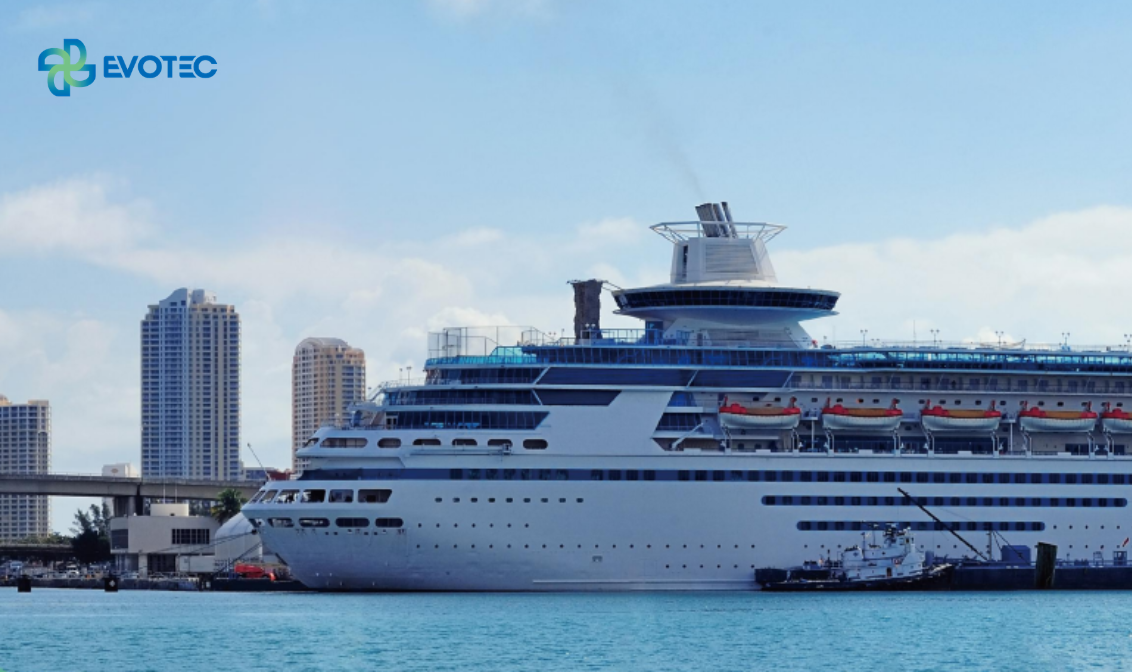
Also known in the maritime industry as "cold ironing" or alternative maritime power, ship shore power refers to the electrical power supplied from the grid, typically used when a ship is docked at a quay or in port.
This system allows the vessel to safely shut down its internal combustion engines while maintaining full electrical capacity.
When a vessel docks, heavy-duty marine cables connect the ship's electrical distribution system to a high-voltage terminal located on the dock. This terminal draws commercial electricity from the local grid (which may be sourced from renewable energy or conventional power plants) and seamlessly transfers it to the vessel.
The boat is equipped with a power converter to ensure that the voltage and frequency on both sides match.
This method is primarily utilized for yachts and leisure craft at berth, as well as commercial vessels during port stays. It is particularly common in jurisdictions with stringent local emissions regulations where engine idling is strictly prohibited.
•Economical:Over extended docking periods, drawing electricity from the local grid is usually more cost-effective than continuously burning marine diesel fuel. It also reduces the wear and tear on the vessel's internal engines.
•Environmentally friendly:By shutting down the onboard combustion engines, vessels drastically reduce local pollution, including the emission of carbon dioxide, nitrogen oxides, sulfur oxides, and particulate matter.
•Quiet and convenient:Grid power operates entirely silently. It eliminates the persistent vibration and low-frequency noise pollution associated with combustion engines, creating a much more comfortable environment for the onboard crew and the surrounding port communities.
•Reliance on port infrastructure:Vessels can only utilize this method if the destination port has invested in the necessary high-voltage terminals and substations, which many smaller ports still lack.
•Compatibility issues:Different regions operate on disparate electrical standards. This often requires onboard frequency converters or transformers to ensure safe power integration.
•Requires cables and adapters:The physical connection relies on thick, heavy-duty cables and specialized shore power adapters. Improper cable management can also create operational risks.
A marine generator functions as an independent marine power plant, designed to produce electrical energy autonomously without relying on external terrestrial grids.
It typically consists of a dedicated combustion engine mechanically coupled to a heavy-duty alternator, generating the AC or DC power necessary to sustain a vessel's operations.
Large commercial ships often require multiple generator sets synchronized together to handle massive and fluctuating load demands.
The maritime industry relies on various generator configurations, the most common being diesel generators and gasoline generators.
For heavy-duty maritime operations and commercial shipping, diesel engines paired with specialized marine alternators are heavily favored. Diesel provides robust torque, superior fuel efficiency, and unmatched overall safety compared to the highly volatile nature of gasoline in a marine environment.
Having a dedicated generator on a ship is absolutely essential for a sea voyage where grid access is physically impossible.
They serve as the primary power source while navigating open waters, act as a reliable backup power source during emergency grid failures, and provide crucial energy in ports without shore power solutions.
•Independent power source:Generators offer complete, unrestricted autonomy. Vessel operators are not restricted by the technological limitations, grid compatibility, or infrastructure deficits of any specific port worldwide.
•Reliable backup power:Whether facing a sudden blackout at the dock or an emergency at sea, a dedicated generator for boat and commercial vessels guarantees that critical systems, such as navigation, communication, and emergency bilge pumps, remain fully operational.
•Flexible power output:Modern generator systems can intelligently scale their power output to match the precise load requirements of the vessel at any given moment, ensuring power is available exactly when high-draw industrial equipment is activated.
•Fuel costs:Fuel is one of the largest operational expenses.
•Noise and emissions:Combustion engines inherently produce localized air pollution, greenhouse gases, and mechanical noise.
•Regular maintenance requirements:To maintain reliability, generators demand a strict routine maintenance. Operators need to frequently change the oil, clean the air and fuel filters, and inspect the cooling systems to prevent costly overheating.
To clearly illustrate the fundamental distinctions in the shore power vs generator debate, the following highlights their core differences:
|
Feature / Metric |
Shore Power |
Marine Generator |
|
Power Source |
Land-based commercial electrical grid |
Onboard combustion engine (Diesel/Gasoline) |
|
Application |
Docked at equipped ports, long-term berthing |
Open sea voyages, remote areas, backup power |
|
Environmental Impact |
Zero local emissions; reduces wear on engines |
Moderate emissions |
|
Noise |
Completely silent operation; no onboard vibration |
Mechanical noise and engine vibration |
|
Flexibility |
Highly dependent on compatible port facilities |
Completely autonomous; independent of port capability |
|
Operating Costs |
Generally lower (standard utility electricity rates) |
Fuel costs |
|
Maintenance Needs |
Minimal onboard maintenance required |
Regular servicing, oil changes, filter checks |
Understanding this shore power vs generator breakdown helps fleet managers successfully balance environmental compliance with reliable, autonomous operations.
While grid connectivity is expanding globally, the reality of commercial shipping demands robust, autonomous power generation. When shore facilities are unavailable or incompatible, having a premium marine alternator is critical.
That is where EvoTec marine generators come into play.
EvoTec Power is a premier global manufacturer specializing in industrial and marine alternators designed to withstand the harshest environments.
• These professional generators are specifically treated with an advanced marine varnish, making them exceptionally moisture-proof, mold-proof, and anti-fogging.
• EvoTec alternators feature a unique "Short Structure Design", allowing for superior ventilation and heat dissipation.
• Designed to strictly meet international standards like IIEC60034, BS4999, and BS5000, these units boast an H insulation grade and standard IP23 protection.
• Engineered for low vibration and low electrical loss, EvoTec alternators drastically improve response speed.
When you cannot rely on port infrastructure, trusting EvoTec ensures your vessel maintains a stable, safe, and highly efficient power supply at all times.
The ultimate choice in the shore power vs generator debate depends entirely on your vessel's operational context. While grid connections offer clean, silent energy at the dock, dependable marine generators remain indispensable for open-water autonomy.
Contact EvoTec now for robust, efficient, and safe power wherever your maritime operations take you.
