
Summer heat is one of the biggest challenges for diesel generator operation.
A diesel generator working in high ambient temperatures is more likely to overheat. This can lead to reduced output power, unexpected shutdowns, and faster wear of internal components. If your equipment depends on continuous backup power, poor generator cooling can create costly downtime.
That is why a generator cooling system is essential. Read on for more info about diesel generator cooling skills in summer.
During the summer months, several factors push a generator beyond its thermal limits.
Diesel generators rely on the surrounding air to remove heat.
When outdoor temperatures exceed 35°C (95°F), the cooling efficiency of a cooling system for generator operation decreases significantly. Heat transfer becomes less effective because the temperature difference between the engine and the surrounding air is smaller.
Running a generator close to full capacity generates much more heat.
Under heavy load, combustion temperatures increase. This places extra pressure on the diesel engine cooling system, especially during summer. Most manufacturers recommend operating at 70% to 80% load during extreme heat for better generator cooling performance.
If a generator is housed in a cramped room or a poorly designed enclosure, hot air can become trapped and recirculated. Thus, the intake air is already pre-heated, further reducing the efficiency of the diesel engine cooling system.
Small issues that go unnoticed, such as minor coolant leaks, contaminated coolant, slightly clogged radiator fins, or worn fan belts, become critical failures under the stress of summer heat.
If you purchased industrial generators, you will need advanced sensors that provide real-time data, including coolant temperature, exhaust gas temperature, oil temperature, and ambient enclosure temperature.
If the coolant temperature consistently approaches the upper limit (typically above 90°C), it is a clear sign that the generator cooling system is struggling. Shut your generator down immediately.
Digital monitoring allows for proactive load shedding or scheduled maintenance before an automatic high-temperature shutdown disrupts your business operations.
A healthy generator cooling system is essential. To ensure it remains functional under summer pressure, focus on three critical areas:
• Coolant Level and Quality: Ensure the coolant is at the correct level and has the right chemical balance, with no signs of contamination and discoloration. Old coolant reduces heat transfer efficiency.
• Clean the Radiator: Dust, insects, and debris can quickly clog radiator fins, acting as an insulating blanket. Use compressed air to clean the radiator weekly. In dusty industrial environments, this might need to be a daily task to maintain optimal generator cooling.
• Ventilation Fans and Exhausts: Check the tension and condition of the fan belts. A slipping belt reduces airflow significantly. Ensure the exhaust system is properly insulated to prevent radiant heat from warming the engine room.
Physical placement is key to successful generator cooling. If the unit is installed indoors, the engine room must have high-capacity intake and exhaust fans that provide adequate air exchange.
For outdoor units, avoid placing them in direct sunlight. Use a permanent shade or a well-ventilated canopy to block solar radiation, which can add several degrees to the unit's operating temperature. In marine and industrial outdoor applications, this is especially important.
Additionally, ensure there is at least a 2-meter clearance around the generator to prevent air stagnation. Proper insulation of the engine room walls can also prevent external heat from migrating inside.
It is vital to understand that a generator's rated power is usually calculated at "standard" temperatures (around 25°C). As the temperature rises, a generator consistently operating above rated load produces excessive internal heat, making it harder to cool down.
During extreme summer heat, it is wise to implement "power derating." Aim to keep your continuous load at or below 80% of the rated capacity. Overloading a generator in the summer is a guaranteed way to cause a shutdown or permanent engine damage.
If your power requirements are high, consider using two units in parallel to share the load.
Oil is not just a lubricant, but a vital part of the cooling system for generator components. It carries heat away from critical internal parts like the pistons and bearings.
In summer, standard oil can thin out too much. Switching to a high-viscosity oil that is rated for high-ambient temperatures can provide better thermal stability.
Furthermore, ensure that the oil cooler is clean and that the oil filter is replaced according to the high-usage summer schedule to keep the lubrication system efficient.
Clogged air filters restrict the flow of cool air to the combustion chamber, making the engine work harder and run hotter. Similarly, dirty fuel filters can cause lean combustion, which increases cylinder head temperatures.
In dry, summer conditions, filters clog much faster due to increased dust in the air. Regular cleaning and replacement of air, fuel, and oil filters ensure that the engine operates with maximum efficiency.
Clean filters reduce the overall strain on the genset cooling system, allowing the unit to maintain stable temperatures even during prolonged runs.
Even with the best maintenance, older generators can also experience malfunctions. Pay attention to these signs:
• Unusual Noises or Odors: A burning smell often indicates overheating, while a "pinging" or knocking sound can signal that the engine is pre-igniting due to excessive internal heat.
• Abnormal Rise in Coolant Temperature: If the temperature gauge moves steadily toward the red zone despite a stable load, the generator cooling system has likely reached its heat rejection limit.
• Generator Shutdown: Most modern units feature an automatic safety trip for high temperatures. If a shutdown occurs, do not attempt an immediate restart. Allow the unit to cool naturally and investigate the radiator, coolant levels, and ventilation before resuming operation.
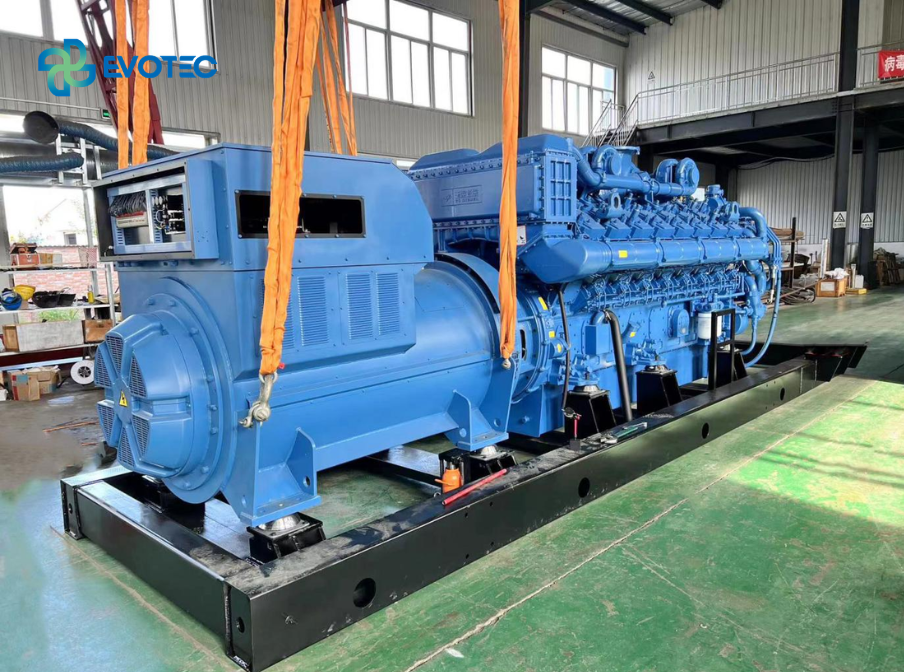
When reliability in extreme environments is non-negotiable, EvoTec provides the ideal solution. EvoTec alternators are renowned for the innovative short structure design, which is specifically engineered to facilitate superior ventilation and heat dissipation.
By reducing the overall length of the generator, EvoTec maximizes the efficiency of the airflow path, ensuring that alternator cooling remains consistent.
This compact design makes it suitable for various industrial, mining, and marine applications where thermal management is a constant challenge. With high-grade insulation and a focus on durability, EvoTec ensures your power stays on when the heat is on.
If your business requires reliable generators that perform well in hot climates, feel free to contact us!
