
Electric generator solutions are widely used across manufacturing, healthcare, construction, data centers, marine applications, etc.
In the power generation industry, the terms "generator" and "genset" are often used interchangeably, but they should not be treated as identical. What is the difference between a genset vs generator?
This guide clarifies the technical distinctions to help you make the most suitable procurement decisions.
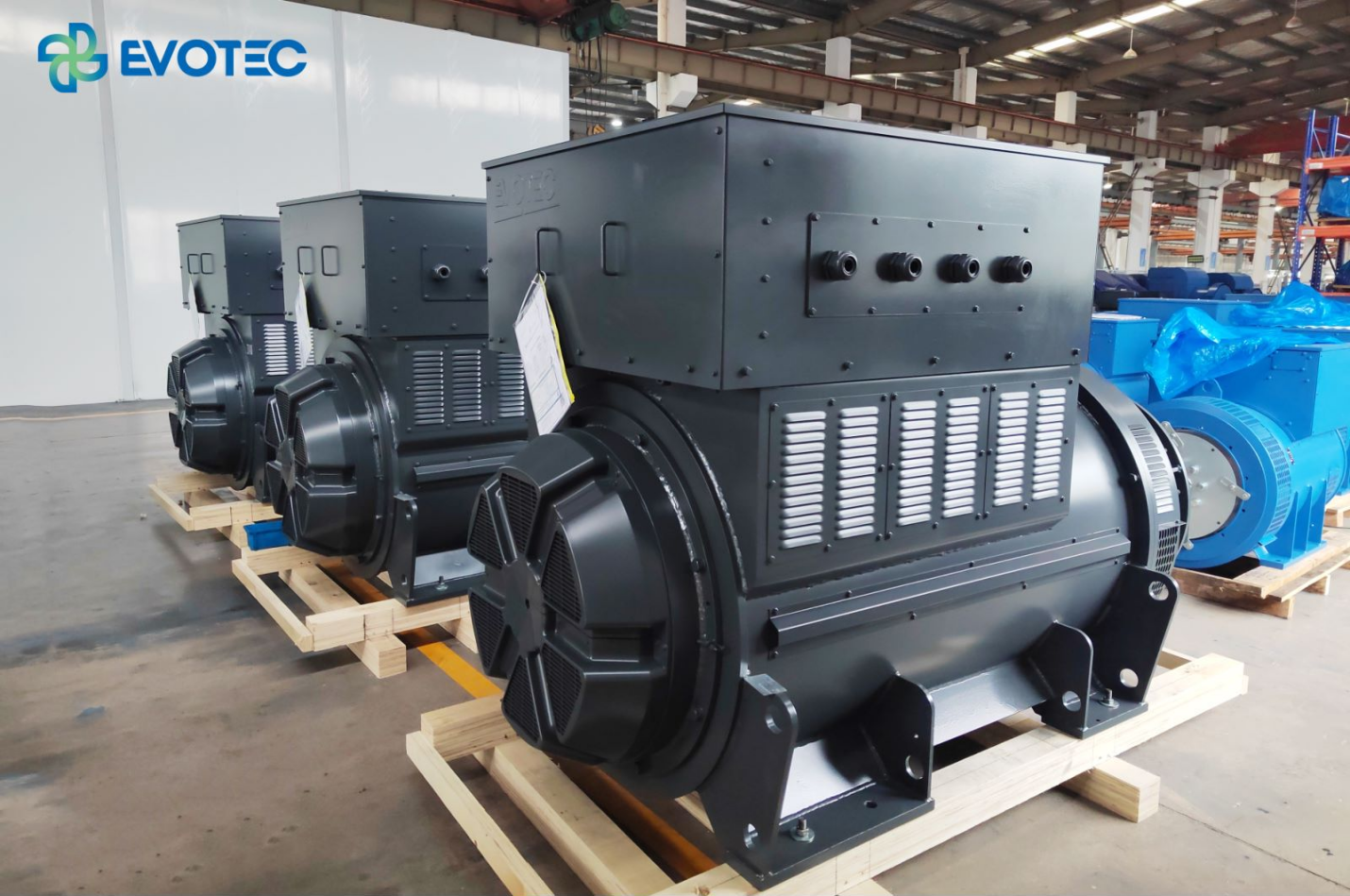
The "generator" is used in two distinct ways:
Narrow Sense: It refers specifically to the alternator within a larger system that undertakes the core task of energy conversion. It takes mechanical energy (rotation) and converts it into electrical energy through electromagnetic induction.
Broad Sense: In casual conversation and small-scale retail (like portable camping units), "generator" is often used as a catch-all term for any machine that provides electricity. However, for an industrial buyer, an electric generator usually refers to the electrical end-piece of the machinery.
A professional-grade electric generator is composed of several critical parts that ensure the power produced is stable and usable:
• Stator: The stationary part of the generator containing a set of electrical conductors.
• Rotor: The moving component that creates a rotating magnetic field.
• Exciter: Provides the direct current to the rotor to maintain the magnetic field.
• Automatic Voltage Regulator (AVR): A sophisticated device that ensures the output voltage remains constant regardless of the load variations.
• Bearings and Housing: High-precision components that allow for high-speed rotation with minimal friction and heat.
• Cooling system: Prevents overheating of the generator during operation.
Essentially, a generator is a "component." It is the heart of the power system, and needs the engine and fuel system to operate.
If the generator is a component, the generator set (genset) is a system. It is a self-contained, independent power plant.
What is a genset? It is an integrated piece of equipment where an engine is physically coupled with a generator to create a single, synchronized unit.
The genset system is engineered to manage everything from the initial combustion of fuel to the final delivery of high-voltage current to your facilities.
A robust genset system includes:
• Engine: The source of mechanical energy. It burns fuel to create the rotational force needed to spin the alternator.
• Alternator: As discussed, this converts the engine's rotation into electricity.
• Control System: It monitors engine speed, temperature, and electrical output, often allowing for remote monitoring and automatic start-up during a power failure.
• Cooling and Exhaust Systems: Vital for thermal management, ensuring the unit doesn't overheat during 24/7 operation.
• Fuel System: Includes the tank, filters, and lines required to keep the engine running.
• Base Frame and Canopy: Provides structural integrity and often sound attenuation (weatherproof or soundproof enclosures).
The classification of a generator set is usually determined by its fuel source, each offering specific benefits for different business needs:
• Diesel Genset: The industry standard for heavy-duty backup power. They offer durability, long lifespans, and excellent fuel efficiency for large-scale industrial and commercial use.
• Gasoline Genset: Typically smaller and more portable, suitable for light commercial tasks or mobile workstations.
• Propane Genset: Offers a cleaner burn and longer fuel shelf life, making it ideal for locations where diesel storage is problematic.
• Natural Gas Genset: Highly popular for permanent installations with existing utility lines, providing a continuous fuel supply without the need for on-site tanks.
When evaluating a genset vs generator, it helps to see the specifications side-by-side. Here is a summary table:
|
Feature |
Generator |
Genset |
|
Concept |
An electrical component that converts mechanical energy into electricity. |
A complete system combining an engine and an alternator. |
|
Functional Role |
Requires an external power source to spin it. |
A standalone power plant; "plug-and-play" capability. |
|
Components |
Rotor, stator, AVR, bearings, etc. |
Engine, alternator, control panel, fuel tank, cooling system, etc. |
|
Power Range |
Variable (Component-based). |
Wide range (6.8 kW to 10 MW). |
|
Advantages |
Compact, specialized, easy to replace within an existing system. |
Fully integrated, automated, capable of high-load transient performance. |
|
Limitations |
Cannot produce power alone. |
Larger footprint, requires more comprehensive mechanical maintenance. |
Deciding between a genset vs generator depends entirely on your specific power requirements.
If you already have a functioning engine and a drive system, and you simply need the electrical end-piece to produce current, buying the alternator separately is the correct path.
It is also the choice for maintenance teams looking to replace a burnt-out electrical end in an existing genset generator.
A generator set is the better option when:
• Backup power is required immediately
• Remote locations lack grid access
• Construction sites need mobile electricity
• Hospitals or data centers require emergency power
• Industrial facilities need automatic standby systems
Most commercial users actually need a genset generator, not just an electric generator component.
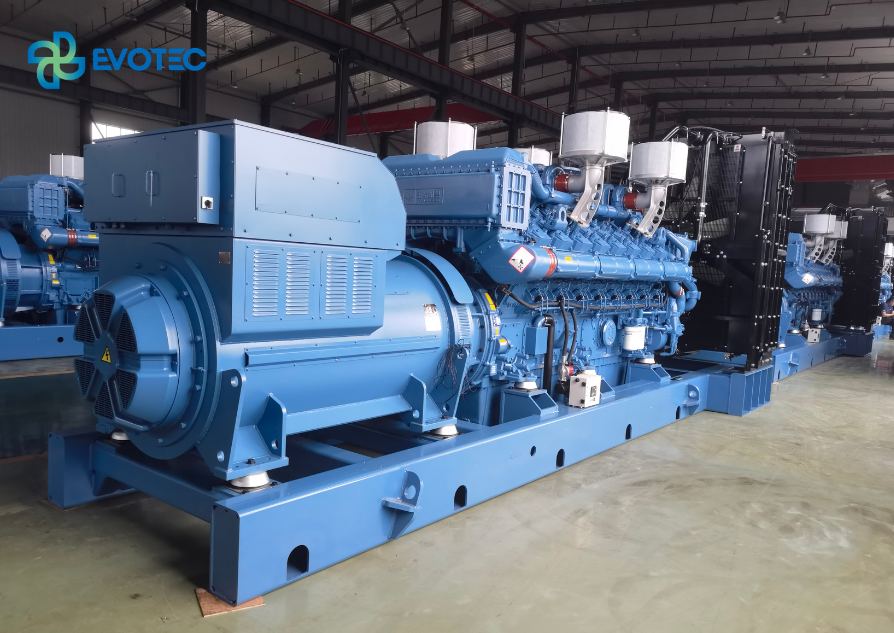
For industrial users seeking dependable backup power, diesel gensets remain the most practical choice.
EvoTec specializes in high-performance alternators and diesel genset generator solutions designed for demanding applications.
EvoTec diesel gensets offer several practical advantages:
• High Efficiency: Optimized electromagnetic design ensures maximum power output with minimal energy waste.
• Compact Size: Compact and short structure optimizes ventilation and heat dissipation performance, saving users substantial costs.
• Durability: Built to withstand harsh industrial and marine environments, their units feature IP21-IP54 protection and superior insulation and cooling capability, making them ideal for the rigorous demands of industrial backup power.
• Certifications: Compliant with IEC 60034-1 standard and certified by ISO 9001, ISO 14001, ISO 45001, CE, RS, and CCS.
Our integrated genset system design ensures easier installation and long service life, making them suitable for factories, infrastructure projects, mining operations, and commercial facilities.
Understanding the nuances of genset vs generator terminology ensures you invest in the right technology for your business. While the generator is the essential electrical heart, the genset provides the complete, autonomous system required for modern industrial reliability.
Choosing a high-performance partner like EvoTec ensures your power infrastructure is built on precision engineering and proven durability.
Contact us now for more generator information!
